You can find desks almost anywhere. What is much harder to find is a place where people genuinely want to be.
A place where relationships form naturally, ideas are shared freely and businesses grow alongside each other. That is the difference between a workspace and a community.
What people want from work has changed. A reliable desk, speedy WiFi and a good cup of coffee are still important, of course. But they are no longer the whole picture.
People also want connection. They want to feel part of something, even if they work remotely, run their own business or belong to a team based elsewhere. They want opportunities to meet new people, share experiences and enjoy the working day.
A great work community provides all of that without making it feel forced.
Feeling like you belong can make a huge difference to how you experience work.
For freelancers and remote workers, it can replace the everyday interaction that is often missing when working from home. For small businesses, it creates a sense of being surrounded by a much bigger team. For growing companies, it gives employees a welcoming environment where they can feel settled and supported.
Simply being greeted by name, having someone to chat with over lunch or recognising the people working around you can make the day feel more enjoyable.
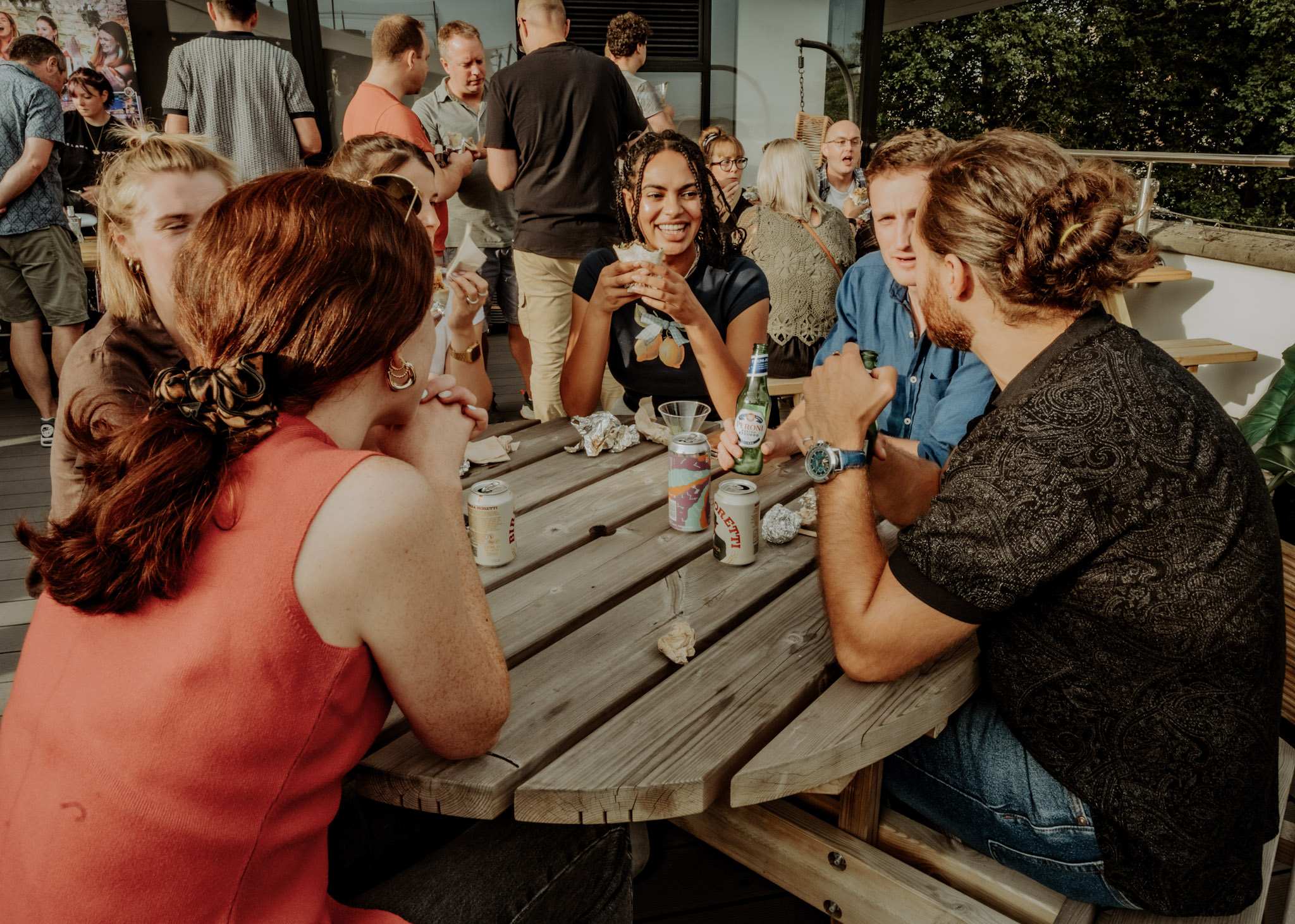
Even the most independent people need other humans around sometimes.
Working alongside friendly, motivated people can lift your mood, help you stay focused and bring some much-needed energy to your day. It also gives you permission to step away from your screen, whether that means joining a lunchtime walk, chatting over coffee or taking part in a wellbeing activity.
These small moments can help break up the working day and prevent work from feeling isolating.
Community is not only built through big events. Socials, workshops and member meetups certainly help people connect, but often it is the everyday moments that matter most.
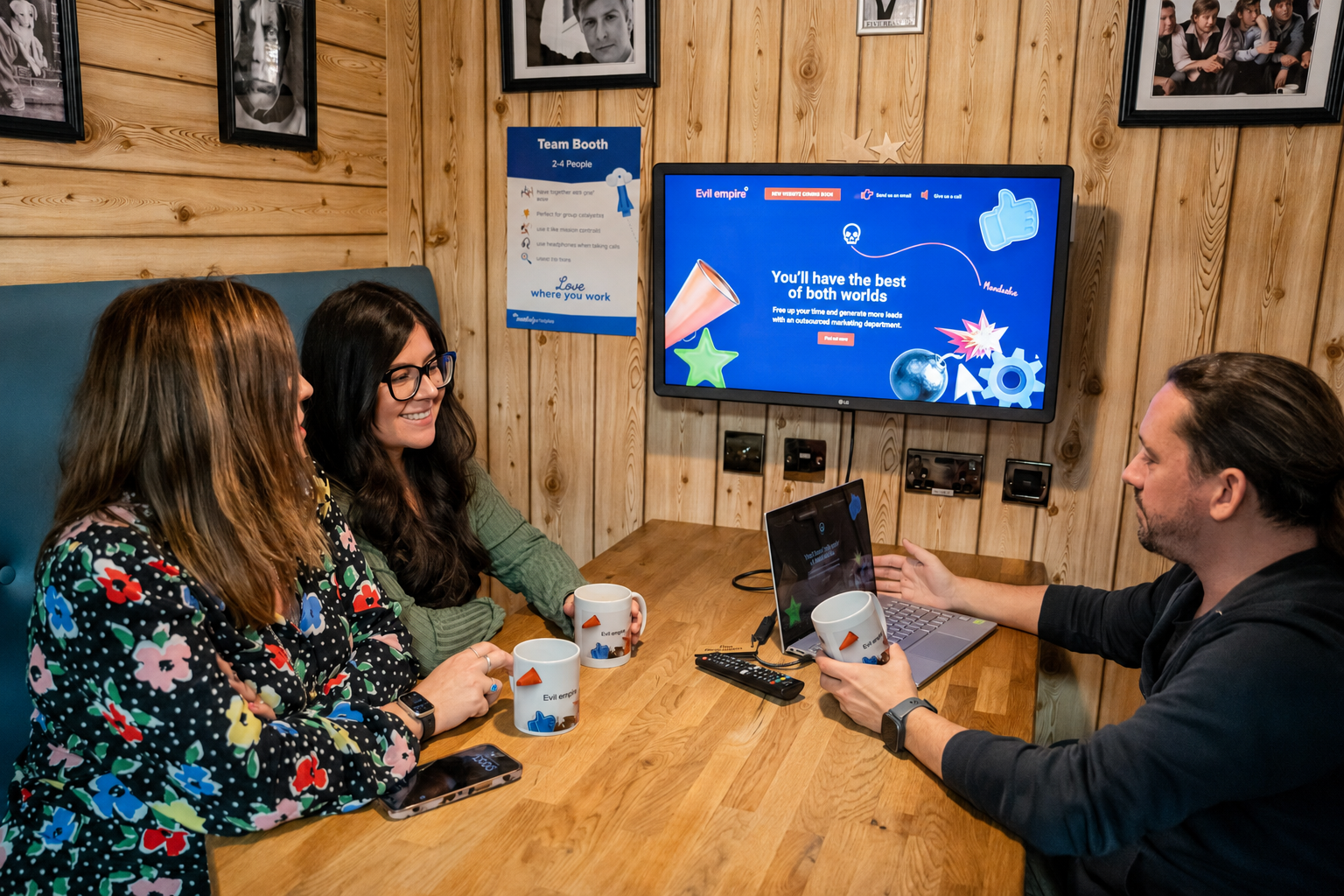
It might be a conversation in the kitchen, a quick introduction from the community team or a shared laugh while waiting for the coffee machine. These interactions happen naturally, without the awkwardness of traditional networking.
Over time, familiar faces become friends, collaborators and trusted contacts.

When people with different skills, experiences and ideas share the same space, opportunities appear.
A designer might meet a new client. A founder might receive advice from someone who has faced the same challenge. Two businesses might discover they can work together. Sometimes, all it takes is mentioning a problem to the right person at the right time.
The best work communities create the conditions for collaboration without trying to manufacture it.
A strong community does more than make work more enjoyable. It can help businesses attract and retain great people, discover new opportunities and build valuable relationships.
Teams benefit from an environment their employees genuinely enjoy visiting. Business owners gain access to a wider support network. Everyone becomes part of something bigger than their own company or to-do list.
That is what makes a great work community: a place where people feel welcome, supported and inspired to do their best work.