The conversation about the office has spent too long focused on one question: how many days should people come in?
One day? Two? Three? Every Tuesday and Thursday?
But counting days doesn’t solve the more important problem.
If the workplace offers little more than a desk, a chair and a different location for the same video calls, people will naturally question the journey.
The better question is: what makes a workplace worth travelling to?
People are far more likely to use an office when it adds something valuable to their working day. Here’s where to start.
Home working offers convenience, privacy and a very short commute. A workplace shouldn’t try to compete by pretending those benefits don’t exist.
Instead, it should provide what working from home can’t always offer: different spaces for different tasks, easy access to colleagues, professional meeting rooms, a sense of shared energy and the opportunity to meet people outside someone’s immediate team.
The goal isn’t to prove that the office is better than home. It’s to make each option useful for different reasons.
Being in the same building doesn’t automatically create collaboration.
If there’s nowhere comfortable to gather, every conversation still needs to happen at somebody’s desk or inside a booked meeting room.
A useful workplace supports different kinds of interaction. Teams need places to brainstorm, hold a quick catch-up, work through a problem or have an informal conversation without disturbing everyone around them.
When the space removes friction from working together, people can feel the benefit of being there.

People experience a workplace through dozens of small moments.
How does it feel when they arrive? Is there energy in the building? Can they get a decent coffee? Are there comfortable places to take a break? Is somebody there to help when something goes wrong? Does the space feel welcoming on an ordinary Wednesday morning?
None of these things looks transformational on its own.
Together, they determine whether the working day feels flat or full of life.
Different people, teams and tasks need different environments.
Someone writing a proposal may want quiet and focus. A project team may need a collaborative room. A manager may need privacy for a call, while a remote colleague might simply want to work around other people for the day.
The best workplace doesn’t force all of that into one setting. It gives people choice throughout the day and allows the business to choose a working arrangement that reflects what the team genuinely needs.
That might mean a full-time office, a part-time base, occasional team days or access to coworking alongside home working.

If people arrive for a meeting and leave immediately afterwards, the workplace is only doing one job.
The wider experience matters too.
Shared breakfasts, wellbeing sessions, member events, informal conversations and after-work socials create opportunities for relationships to develop beyond scheduled meetings.
Not everyone will join everything, and they shouldn’t have to. The value is in having the option.
Sometimes the most useful conversation of the day happens after the formal agenda has finished.
There is no universal formula for a workplace people want to use.
Talk to the team. Find out what helps them focus, what makes collaboration difficult and what they miss when they work remotely.
Look at how the space is actually used rather than how it was intended to be used.
Then keep improving it. A workplace should adapt as the team changes, not lock everyone into habits that no longer make sense.

The future of work doesn’t need to be framed as home versus office.
Home can be brilliant for convenience and focused work. A great workplace can offer connection, variety, collaboration and a sense of belonging.
Businesses can benefit from both when people have a clear reason to use each one.
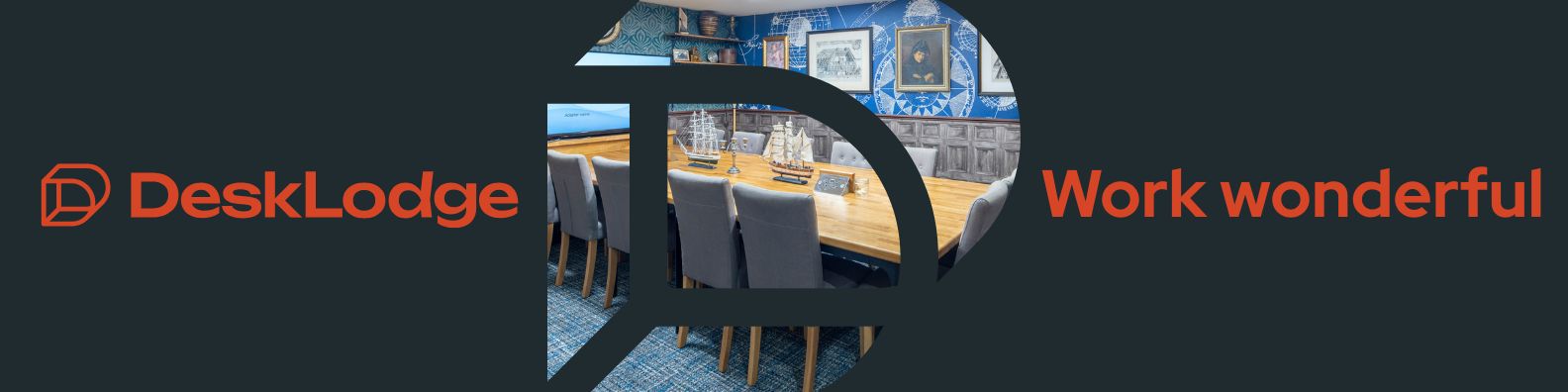
At DeskLodge, private offices come with much more than four walls and somewhere to put a laptop.
Teams have their own space alongside meeting rooms, breakout areas, community events, roof terraces, great coffee and a Community Team that brings the whole experience to life.
It’s the office experience modern teams actually want, with the flexibility to make it work for your business.