We’ve all been there. A one-hour meeting that somehow eats up half the day. A “quick catch-up” that spirals into a full-blown debate. Or worse… the dreaded read-out-loud session where everyone silently wishes they could’ve just read the doc themselves.
The good news? Better meetings aren’t about cramming more into the calendar. They’re about being intentional with time, space and structure. Whether you’re pitching to a new client or running a team reset, here’s how to make meetings sharper, shorter and far more effective.
1. Set the Room Up for Success
The right environment does half the work for you.
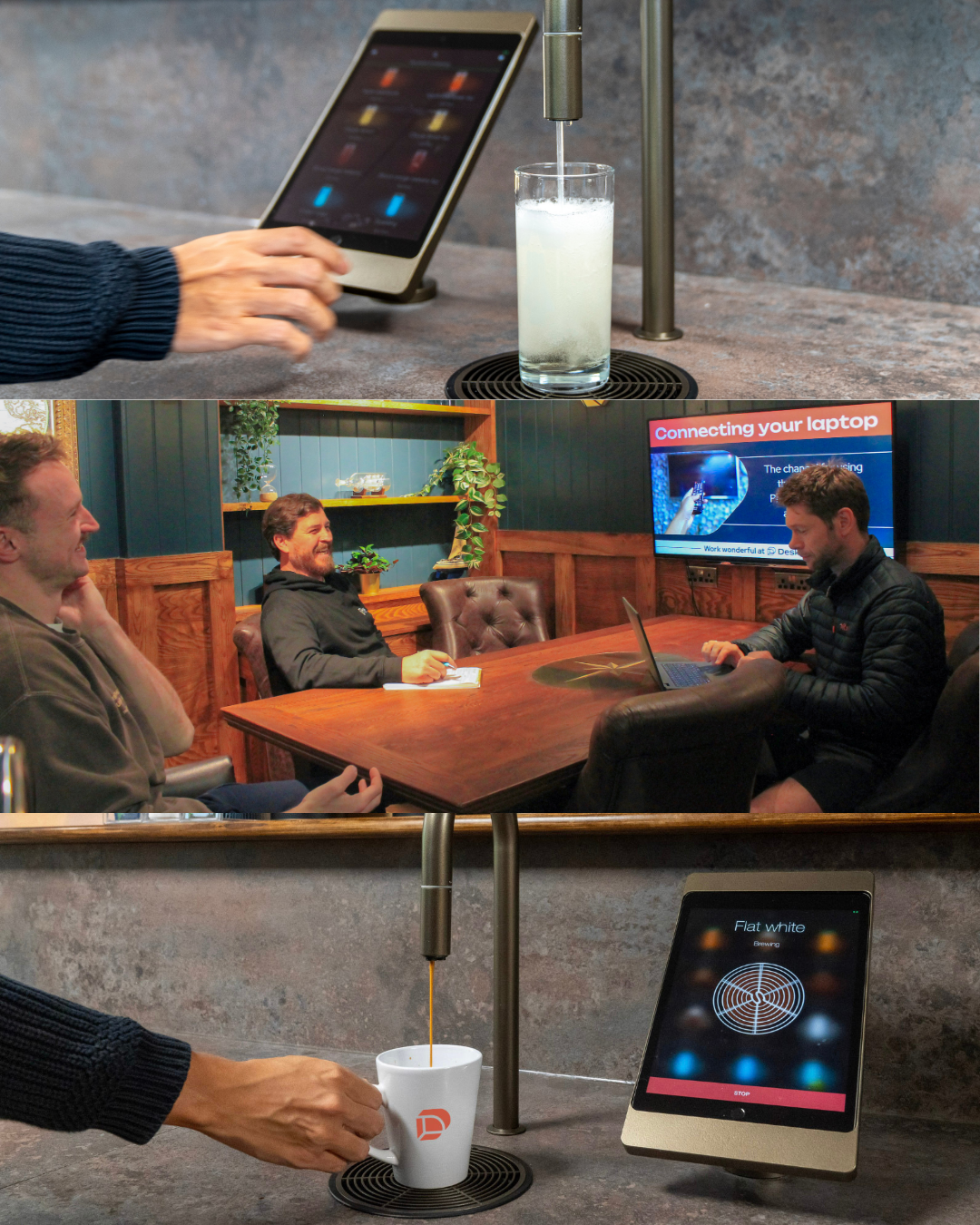
Tech faff is the fastest way to drain energy from a meeting.Scrambling for adapters, battling screen sharing or repeating “Can you hear me now?” five times isn’t a strong start. Make sure you’ve got easy screen integration, a reliable conference webcam and microphone for hybrid calls, and good old-fashioned whiteboards for when ideas need to flow freely.
Sometimes the best ideas start with a pen and a flipchart.
When your meeting space just works, you can focus on the conversation, not the cables. (That’s why at DeskLodge, our meeting rooms are fully kitted out and ready to roll the second you walk in.)
2. Hydrate, Caffeinate, Dominate
It sounds simple, but it matters.
A well-caffeinated team is a focused team. A hydrated team is a happier team. No one does their best thinking when they’re distracted by thirst or queuing for a kettle.
Make it easy. This is the ethos behind DeskLodge having unlimited tea and coffee on hand. Still and sparkling water. Maybe even a splash of squash for good measure. When people feel looked after, they stay present - and present people make better decisions.
3. Choose Inspiring Surroundings
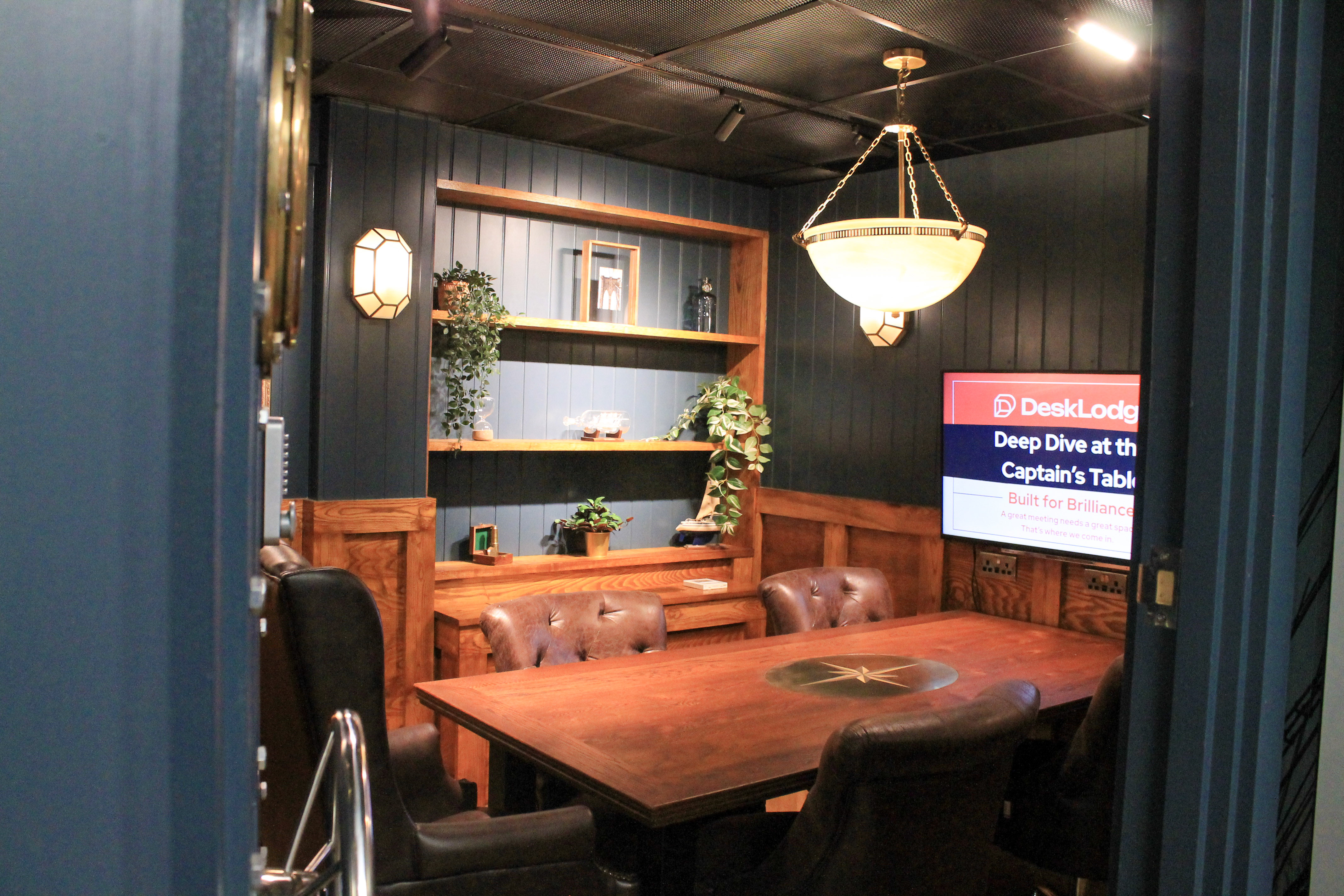
The environment absolutely affects the outcome.
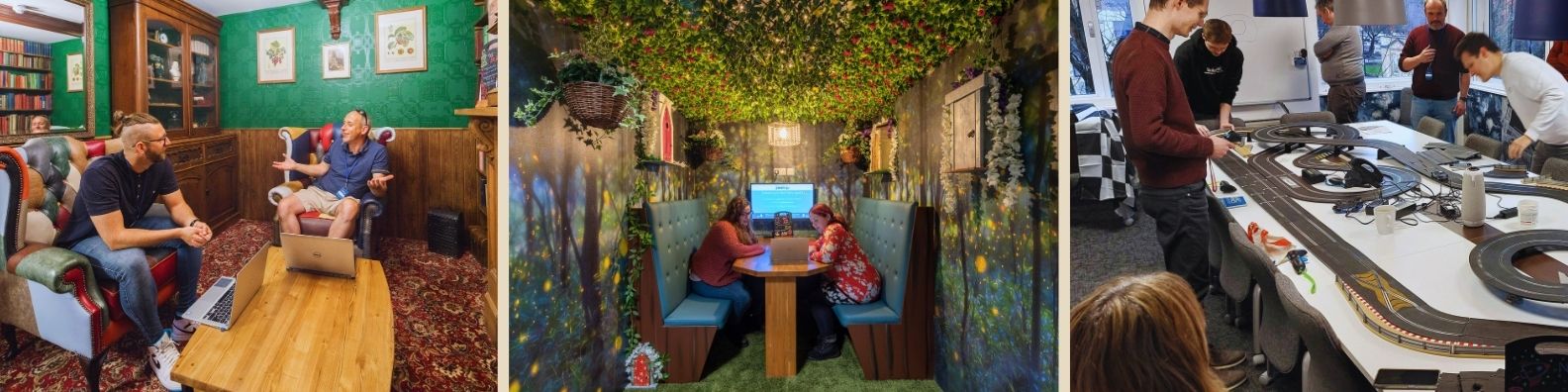
Dull, cramped, airless spaces lead to dull, cramped thinking. Comfortable seating, room to spread out and a bit of personality in the space can transform the energy in the room.
Our brains are more productive when stimulated. A change of scenery can spark creativity, shift stuck conversations and give important discussions the weight they deserve. That’s why stepping away from the usual desk setup - even for an internal meeting - can make a noticeable difference.
If it feels important, people treat it as important.
4. Assign Key Roles (Yes, Even for Small Meetings)
Structure doesn’t kill creativity. It protects it.
For meetings longer than 30 minutes, assign three simple roles:
Facilitator – Keeps the conversation on track and ensures everyone has a voice
Timekeeper – Guards the agenda and calls out when you’re drifting.
Note-taker – Captures decisions and action points.
This prevents meetings from turning into open-ended discussions with no clear outcome. It also means you can confidently end ontime - which might just be the most underrated productivity win of all.
5. Avoid the “Read-Out-Loud” Trap
If everyone is reading a document in silence while someone narrates… that’s not a meeting.
Share reports, decks or updates in advance so people can digest the information beforehand. Then use your meeting time for discussion, questions and decisions -the stuff that actually requires everyone in the room.
If you do need to reference something live, use a shared screen to highlight key sections. Keep it focused. Keep it moving.
Meetings should create momentum, not stall it.
6. Follow Up Within 24 Hours
A great meeting without follow-up is just a nice chat.
Send round minutes and action items within 24 hours while everything is still fresh. Clear ownership and deadlines turn conversations into progress.
At DeskLodge, guests are encouraged to make use of the provided breakout space for up to an hour after their meeting. Taking time to finalise notes and complete follow up while everything is fresh in your mind means you can head back to the office with a sense of achievement.
The Bottom Line
Better meetings aren’t about longer agendas or bigger slide decks. They’re about clarity, comfort and creating the right conditions for good thinking.
Get the space right. Get the structure right. Respect people’s time.
Do that, and your client pitches will feel sharper, yourteam resets more energising, and your calendar a whole lot lighter.
And honestly? That sounds like a win to us.